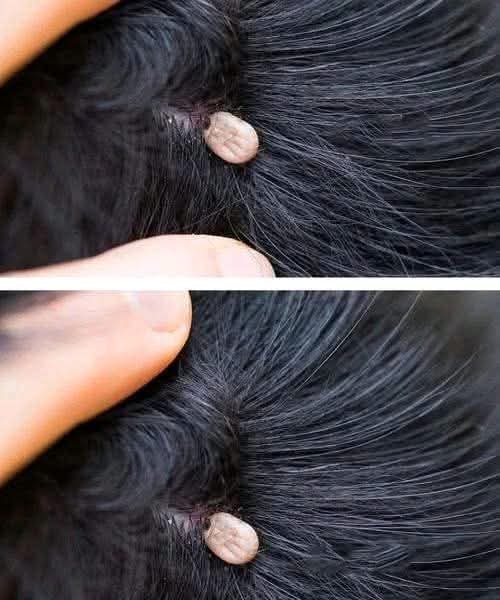
When you find something strange in your child’s hair — especially if you’ve come across the term “HT7” — it’s natural to worry. But before you panic, it’s important to understand what that term actually means and what might really be going on.
HT7 has nothing to do with the scalp, hair follicles, or any medical condition affecting the head. It’s actually an acupuncture point known as Shenmen, or “Spirit Gate,” used in Traditional Chinese Medicine (TCM). This pressure point, located on the wrist near the crease by the pinky finger, is believed to help calm the mind and ease symptoms like anxiety, restlessness, and insomnia. So if someone mentions “HT7” in connection with your child’s hair, it’s likely a misunderstanding — it’s unrelated to hair or scalp issues altogether.
However, if you’ve noticed anything unusual on your child’s scalp — flakes, redness, bumps, patches, or hair loss — that does warrant attention. Here’s a breakdown of the most common scalp and hair conditions in children, what they look like, and when to see a doctor.
1. Cradle Cap (Seborrheic Dermatitis)
This is a harmless and very common condition in infants. You’ll notice yellowish, greasy scales or crusts on the scalp that sometimes extend behind the ears. It’s not painful or itchy. The cause is thought to be overactive oil glands combined with natural yeast on the skin. The best treatment is gentle — wash your baby’s hair with mild baby shampoo, then brush out the softened flakes using a soft baby brush. Cradle cap usually resolves on its own within weeks or months
See more